
The thrill of uncertainty
The allure of gambling in casinos stems largely from the thrill of uncertainty. When players step into a casino, they encounter an environment filled with excitement and the potential for sudden rewards. This unpredictability taps into the human brain’s natural inclination toward risk-taking. For those looking to increase their chances, utilizing nrl betting tips can provide valuable insights, while the excitement of not knowing whether a bet will pay off can stimulate the release of dopamine, a neurotransmitter associated with pleasure and reward. This neurological response enhances the gambling experience, making players crave more of that exhilarating rush.
This thrill can be compared to other risk-based activities, such as extreme sports or stock trading. Just as athletes and investors experience adrenaline highs, gamblers feel the surge of excitement as they place their bets. The environment in casinos is designed to amplify this experience, with flashing lights, cheerful sounds, and the general buzz of excitement all contributing to an atmosphere that encourages participation. Players find themselves caught in a whirlwind of anticipation, where every spin of the wheel or turn of the card has the potential to alter their fortunes.
Moreover, the concept of “near misses” plays a significant role in the psychology of gambling. When players almost win—say, they find two out of three required symbols on a slot machine—this can trigger feelings of hope and motivation to continue playing. This phenomenon can create a cycle of behavior where players keep returning in the hopes of achieving that elusive win. The combination of the thrill of uncertainty and the psychology of near misses creates a captivating environment that keeps players engaged and eager to return for more.
The social aspect of gambling
Gambling is not merely a solitary activity; rather, it often serves as a social engagement that draws people together. Many individuals enjoy visiting casinos with friends or family, sharing in the excitement of the experience. This social interaction can significantly enhance the appeal of gambling. In a casino, players celebrate each other’s wins and commiserate over losses, fostering a sense of camaraderie and belonging. This communal aspect can make gambling more enjoyable, as it enables players to bond over shared experiences.
Additionally, casinos frequently feature live entertainment, dining experiences, and other amenities that encourage socialization. Such settings allow players to engage in conversations and develop connections with others, creating a festive atmosphere that benefits their overall gambling experience. The social networks formed through shared gambling experiences can also serve to validate one’s behaviors and choices, reinforcing the appeal of continued participation in gaming activities.

Furthermore, peer pressure can also influence gambling behaviors. People may feel encouraged to gamble by their friends or social circles, leading them to partake even when they might not have initially intended to. This influence can magnify the thrill and enjoyment associated with gambling, as individuals do not want to miss out on the fun. The social dynamics surrounding gambling create a powerful motivator, allowing individuals to become part of a broader community while indulging in a shared passion for risk and reward.
The influence of environment and design
The design of casinos plays a crucial role in shaping the gambling experience. Every element, from the layout to the lighting, is meticulously crafted to create an optimal environment for players. For instance, many casinos are designed without windows or clocks to disorient visitors and encourage them to lose track of time. This intentional design strategy can lead players to spend more time gambling, as they become absorbed in the activities taking place around them.
Moreover, the arrangement of gaming machines and tables is often strategic, encouraging movement and interaction among players. High-traffic areas are deliberately populated with enticing games to draw people in, while quieter spots offer more intimate settings for those looking to unwind. The sounds of joyful winners and the clinking of coins further enhance this atmosphere, captivating the senses and driving home the allure of the gaming experience.
Additionally, the use of color, sound, and even scent cannot be underestimated. Many casinos employ vibrant colors and stimulating sound effects designed to elevate excitement and trigger positive emotions. These sensory cues contribute not only to the immediate enjoyment of gambling but also to creating a lasting association between the environment and the pleasure derived from placing bets. By combining these elements effectively, casinos create an immersive experience that heightens the desire to engage in gambling activities.
The emotional rollercoaster of wins and losses
The emotional dynamics of winning and losing are integral to the gambling experience. Winning, even in small amounts, can generate feelings of joy and satisfaction, reinforcing the behavior and encouraging players to gamble more. These positive emotions trigger a rush of dopamine, which compels individuals to seek out that feeling repeatedly. The excitement associated with winning can create a sense of confidence, leading players to feel invincible, which often paves the way for further gambling.
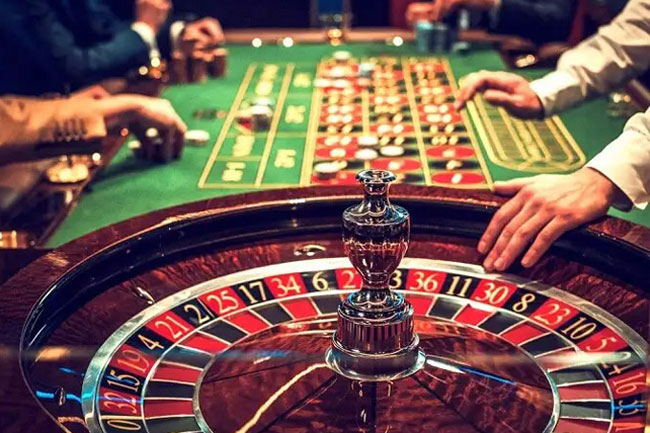
Conversely, losing can evoke feelings of disappointment and frustration. However, for many individuals, the emotional response to a loss can lead to a psychological phenomenon known as “chasing losses.” This is where players feel compelled to continue gambling in an attempt to recover their lost funds, often leading to even greater losses. The emotional rollercoaster between wins and losses can create a deeply intertwined relationship with gambling, where individuals become compelled by the desire to recapture the thrill of winning while attempting to manage the emotional toll of losing.
In essence, the complex interplay of emotions surrounding gambling can create a cycle of behavior that reinforces participation. Players often find themselves riding a wave of feelings, from ecstatic highs to crushing lows, making the experience both addictive and difficult to step away from. Understanding these emotional triggers is essential in addressing the broader implications of gambling in society and recognizing the importance of responsible play.
Exploring responsible gambling online
In today’s digital age, the landscape of gambling has transformed significantly, with online options becoming increasingly popular. This shift has sparked a renewed interest in understanding the psychology of gambling, particularly as it relates to online platforms. Players are drawn to the convenience and accessibility of online casinos, engaging in gambling activities from the comfort of their own homes. However, this ease can sometimes lead to a lack of awareness about responsible gambling practices.
It is crucial for players to be educated about the potential pitfalls of online gambling. The absence of physical boundaries, such as travel time and cost, can make it all too easy to engage in excessive gambling behaviors. Many online platforms are now implementing responsible gambling tools, such as self-exclusion options and deposit limits, to help players maintain control over their gaming habits and promote a healthy relationship with gambling.
Additionally, awareness campaigns focusing on the psychological aspects of gambling are gaining traction. By educating players on the emotional triggers and cognitive biases that can lead to problematic gambling, these initiatives aim to foster a culture of responsibility and informed decision-making. It is essential to create a supportive environment that encourages individuals to seek help when needed while still allowing them to enjoy the social and recreational aspects of gambling in a safe manner.