
The hidden psychological traps of gambling behavior
The Illusion of Control
One of the most insidious psychological traps in gambling is the illusion of control. Gamblers often believe they can influence the outcome of games based on their decisions or strategies, despite the inherent randomness of many gambling activities. For instance, players may think that by employing specific betting strategies or choosing particular machines, they can tilt odds in their favor. This misconception leads to increased betting and repeated play, which can spiral into problematic gambling behaviors. Moreover, players are often drawn to platforms like elon casino, which promise an exciting and customizable experience aggravating this illusion.
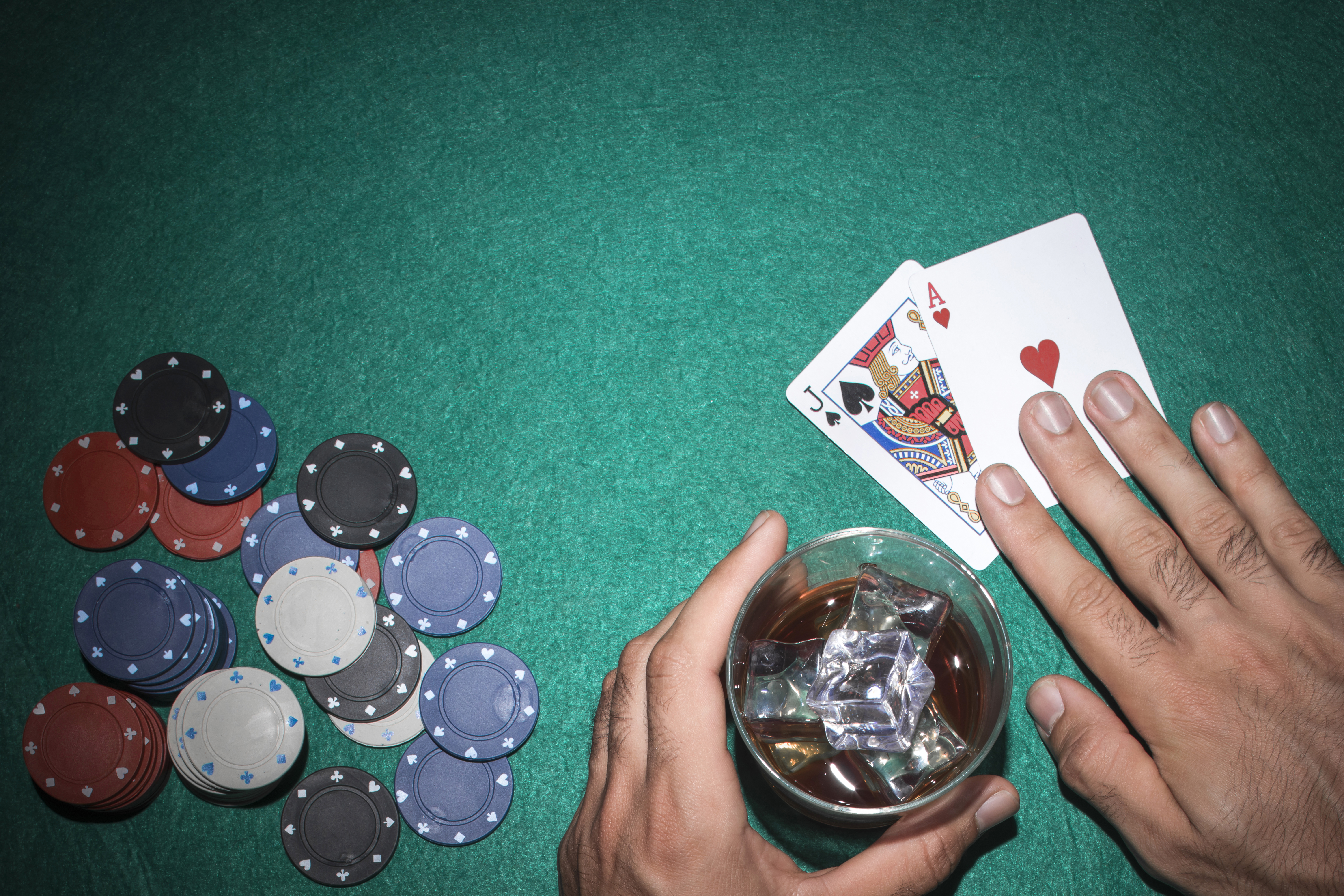
This feeling of control is particularly potent in games that involve an element of skill, such as poker or sports betting. Here, players may feel their knowledge and decisions matter, fostering an overestimation of their abilities. This cognitive bias not only fuels continued participation but can also lead to significant financial losses, as players may disregard the odds and play for longer periods than intended, thinking they are simply one good decision away from winning big.
In essence, the illusion of control not only misleads gamblers about their chances of success but can also mask the growing risks associated with their behavior. The more they believe they can influence outcomes, the harder it becomes to acknowledge the potential for addiction or financial ruin, creating a cycle that is difficult to break.
The Gambler’s Fallacy
The gambler’s fallacy is a cognitive error that occurs when individuals assume past events influence the probabilities of future outcomes in independent random events. For example, a gambler may believe that a particular slot machine is “due” for a payout after a series of losses, leading them to wager more in hopes of a win. This erroneous thinking can lead to excessive gambling and substantial financial losses, as the gambler continuously pours money into a machine that operates on random number generation.
This fallacy extends beyond slot machines and can also be seen in games like roulette, where players may believe certain colors or numbers are “hot” or “cold.” Such misperceptions can lead to misguided betting strategies that ignore the fundamental principles of probability, resulting in players chasing losses. The more they engage with these beliefs, the deeper they sink into a cycle of chasing what they perceive as guaranteed wins.
Moreover, the gambler’s fallacy can create a false sense of urgency, driving individuals to gamble more frequently. This not only heightens the risk of developing a gambling problem but also obscures the reality that the outcomes of these games are entirely random and unaffected by previous results. Breaking free from this fallacy requires a conscious effort to recognize and challenge these flawed beliefs.
The Allure of Reward and Risk
The excitement of gambling often hinges on the interplay of reward and risk. The potential for significant payouts can create a thrill that some individuals find irresistible. This adrenaline rush is fueled by the brain’s reward system, which releases dopamine in response to wins, reinforcing the behavior and encouraging continued play. However, this same system can become skewed, leading gamblers to chase losses in an attempt to recapture that exhilarating high.
As a person continues to gamble, their perception of risk can diminish. What initially seemed like a high-stakes bet may become a normalized part of their gambling routine. This desensitization can lead to increasingly reckless behavior, as players may begin to take risks that surpass their financial comfort zones, believing that larger bets will eventually lead to larger rewards. Such behaviors are compounded by a distorted understanding of probabilities and outcomes, leading to destructive gambling habits.
The allure of gambling is not just financial; it also taps into emotional and psychological needs. For some, the act of gambling becomes a way to escape from stress or negative emotions, creating a vicious cycle. They gamble to feel good, but when they lose, they feel worse and gamble more to cope. Understanding this relationship between risk and reward is vital for recognizing the potential dangers of gambling behavior and addressing them before they escalate into more serious issues.
The Social Influence of Gambling
Cultural perspectives and social environments play a significant role in shaping gambling behaviors. In many societies, gambling is normalized and even celebrated, which can create a sense of community among players. This social aspect can often mask the negative consequences associated with gambling, making it easier for individuals to overlook their growing dependency on it. Friends and family may unintentionally encourage gambling through shared experiences or social gatherings that revolve around betting.
Moreover, the rise of online gambling has expanded social interactions in this arena, creating virtual communities where players can share strategies and experiences. While this can foster camaraderie, it can also amplify risks, as individuals may feel pressured to engage in gambling behaviors they might otherwise avoid. The normalization of gambling in social settings can make it challenging for individuals to recognize when their behavior crosses a line into addiction.
Understanding the social context of gambling is crucial for developing strategies that can mitigate its impact. Awareness of how social influences contribute to gambling behaviors can help individuals make more informed choices and recognize when their gambling may be causing harm to themselves or their relationships. Acknowledging these influences is the first step toward fostering healthier attitudes towards gambling.

Gambling Platforms and Player Behavior
Online gaming platforms, such as Elon Casino, have transformed the landscape of gambling by providing a convenient and accessible environment for players. While these platforms offer a diverse range of games and enticing bonuses, they also pose unique psychological risks. The ease of access can lead to increased gambling frequency, often encouraging impulsive behavior. Players may find it hard to set limits, as the absence of physical cues present in traditional casinos can blur the lines between casual play and excessive gambling.
Additionally, the design of online casinos often incorporates elements that promote prolonged engagement, such as flashy graphics, sounds, and notifications that encourage players to keep spinning the reels or playing hands. This gamification of gambling exploits psychological triggers, making it challenging for individuals to recognize when they are playing beyond their intended limits. The risk of addiction can be exacerbated by the personalized features offered by these platforms, which can create a false sense of connection and community.
Ultimately, while platforms like Elon Casino provide a thrilling gaming experience, it is essential for players to be aware of the psychological traps that accompany online gambling. Strategies for responsible gaming should include setting limits, taking breaks, and being mindful of emotional triggers that can lead to excessive play. By understanding these dynamics, players can better navigate the complexities of online gambling and foster a healthier relationship with gaming.